The Birth And Evolution Of Light Bed


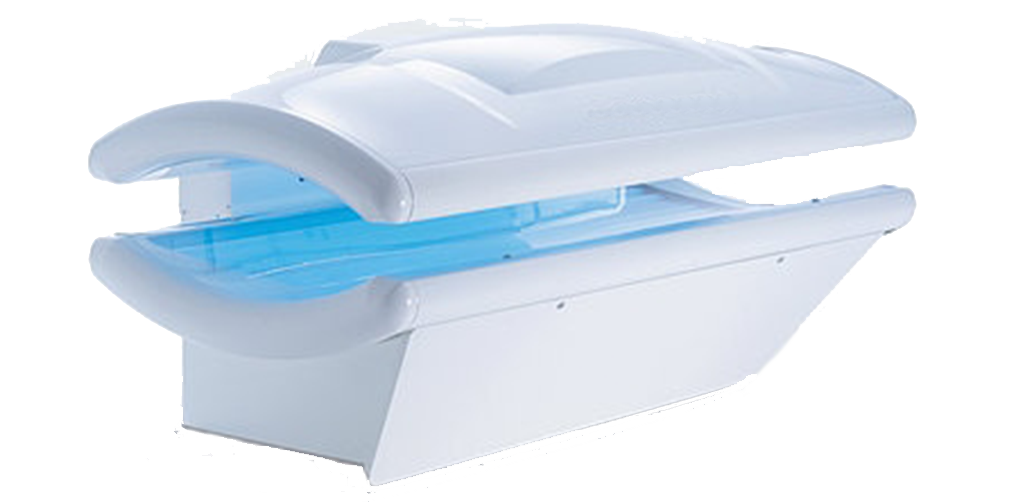
Phototherapy, often known as light bed therapy, is a primary cosmetic method that uses red light. This synthetic red light looks to be identical to natural light. The infected person is exposed to natural-looking red light during the process. The red light triggers the cells in the injured area of the body.
In recent history, light bed therapy has been commonly used. Its application began in 1903 after Niels Ryberg Finsen created a technique for producing artificial light.
Finsen’s incredible discovery was acknowledged through a Nobel Prize in medical science. The first successful applicability of this kind of synthetic light therapy was discovered in a Massachusetts hospital in 1938. The red light therapy was tested on individuals suffering from various skin diseases. Phototherapy resulted in being extremely successful during this test.
Red light therapies have emerged as one of the best profitable enterprises in the modern global beauty community and medicine. Many doctors and specialists now recommend light bed therapy to their patients. This is because phototherapy provides the best treatments for many skin problems. According to estimates, the worldwide cosmetics industry will be valued at nearly $700 million before 2025. The trade for light therapy was worth USD 811.8 million in 2018. This figure is expected to climb at a CAGR of approximately 5.1 percent from now till 2025.
Growth of the Market
Light bed therapy has grown in popularity as the economy is improving and chemical synthesis processes are evolving. The market for light beds is expanding due to causes such as a rise in dermatological diseases. There is a list of such conditions, a few of which are:
Red-light bed treatments offer a broad range of uses; hence its market is evolving daily. It enables many firms to engage in and research the beauty and cosmetics sector. Furthermore, rising disposable income, burgeoning middle class, population explosion, and increased understanding of cosmetic products have bolstered the business. Moreover, another reason phototherapy’s market is increasing in the contemporary world is that non-invasive therapies are becoming consumers’ first choice.
Light Therapy Market
The phototherapy or light bed sector is constantly in flux. This market has grown significantly during the previous decade. Customers’ interest has been aroused by the vast range of uses phototherapy offers in the following domains:
Another kind of usage versatility, light therapy offers a diversity of environments in which it can be used, including, but not limited to:
Dermatology clinics made more than 58.42% of their income in 2019, according to statistics from light bed therapies. Similarly, most people choose to buy light beds for everyday use. The phototherapy market is booming as people purchase it more regularly today than ever. The adaptability of its use adds greatly to the high market price of light bed therapies purchased for home use, which was anticipated to be nearly $500 million in 2018.
North America accounts for half of the growth in the phototherapy sector, with phototherapy services increasing at a pace greater than 4%. The increased frequency of skin problems in North America, such as melanoma, skin irritations, skin malignancies, and eczema, is fueling the market growth of the light therapy sector.
With the Chinese market’s propelling development in the health, surgery, and cosmetic services sectors, the Asia Pacific phototherapy treatment market will shine in the coming years. The light bed treatment industry was valued at more than USD 175 million in 2018. The regional expansion of the cosmetics industry is expected to accelerate due to growing urbanization, demographic changes, rising levels of psychological distress, and diabetes, spurring demand for phototherapy.
Dermatology clinics made more than 58.42% of their income in 2019, according to statistics from light bed therapies. Similarly, most people choose to buy light beds for everyday use. The phototherapy market is booming as people purchase it more regularly today than ever. The adaptability of its use adds greatly to the high market price of light bed therapies purchased for home use, which was anticipated to be nearly $500 million in 2018.

The Ultimate Light System is not intended for use in the diagnosis of a disease or any other condition or in the cure, mitigation, treatment, or prevention of disease, and are not intended to affect the structure or function of the body. This program is cosmetic in nature and does not claim to impart any health benefits. The statements on this web site have not been evaluated by the Food and Drug Administration.